Photography has always carried a complicated relationship with truth.
A photograph is often treated as evidence. Something fixed. Objective. A document of what stood in front of the camera at a particular moment in time.
But the longer spent making work, editing books and sequencing images, the less stable that idea begins to feel.
Meaning rarely exists in a single image alone.
The four-book series - Vampire, Drift, Thunderbolts Way and Surge - grew from an interest in this unstable space between what is true, assumed to be true and imagined to be true. Created in collaboration with writer Paul Summers, the books combined photographs and fragments of text that offered clues rather than conclusions, allowing space for interpretation, association and imagination.
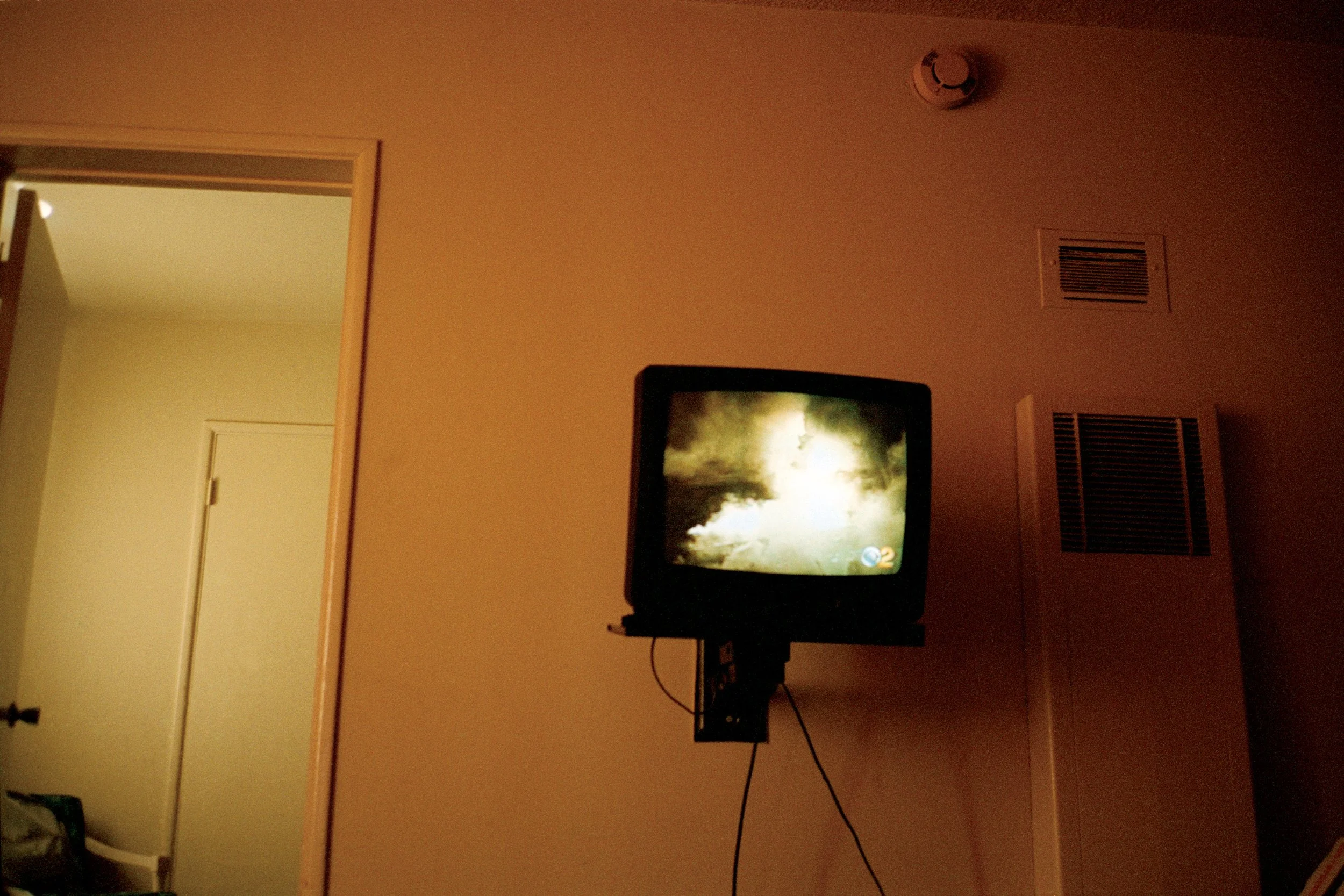
The photographs themselves remain documentary. Nothing is staged or constructed in a fictional sense. Yet the sequencing deliberately plays with atmosphere, suggestion and association, allowing space for the viewer’s own assumptions, imagination and lived experience to shape the narrative as much as the photographs themselves.
The idea often felt closer to building “paper movies” than traditional documentary projects. Fragments rather than complete explanations. Moments connected emotionally rather than literally. A sequence of photographs capable of shifting meaning depending on the order they appear, the title surrounding them, or the assumptions projected onto them by the viewer.
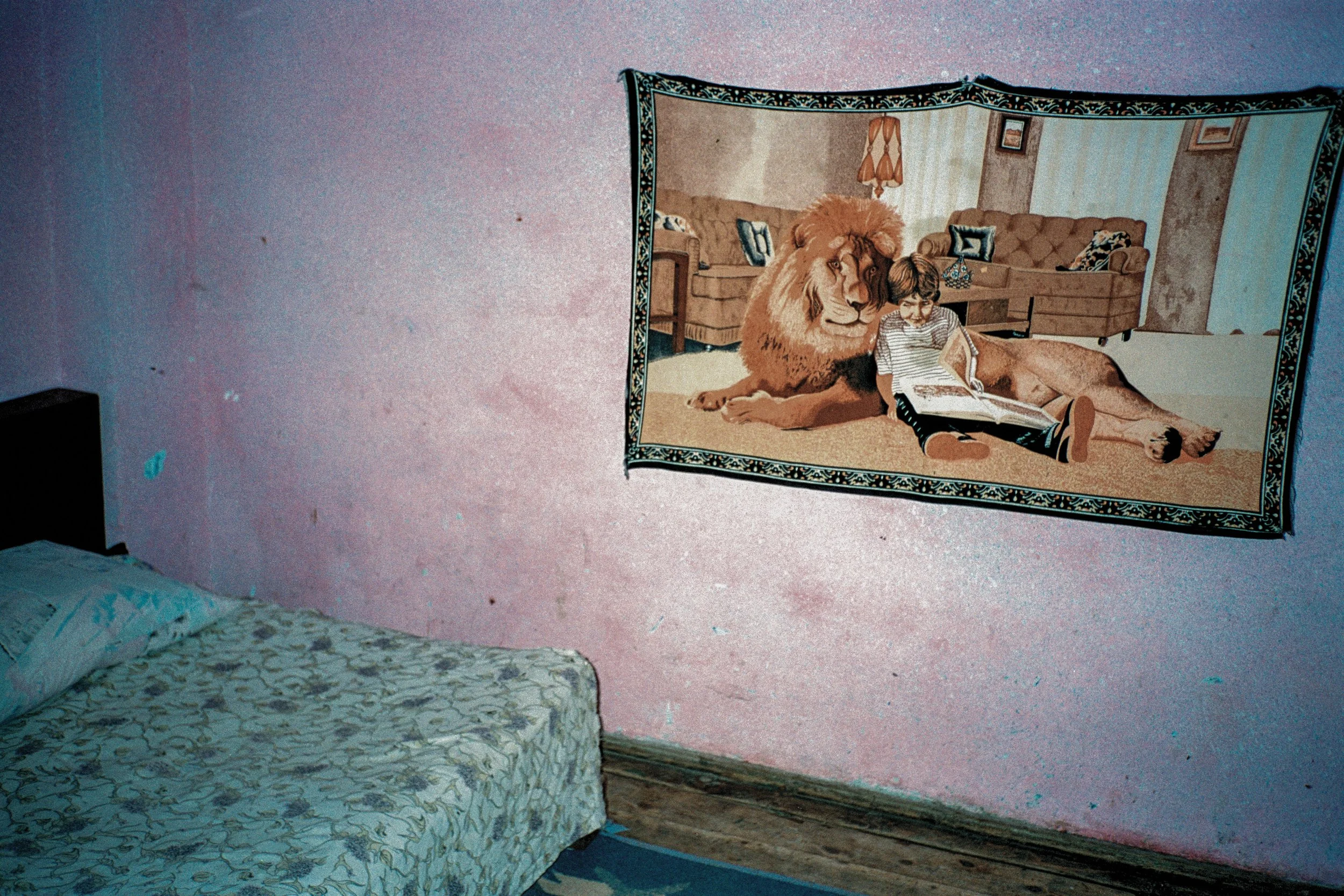
Choosing a title like Vampire immediately begins shaping expectation before a single photograph is even seen. The viewer instinctively starts building narrative connections, searching for darkness, danger, mythology or symbolism, even when many of the photographs themselves remain observational and open-ended.
That tension became the interesting space.
Not documentary as fixed truth, but documentary as something more unstable, subjective and psychologically collaborative. Because viewers never arrive at photographs neutrally. People bring memory, culture, humour, fear, bias, experience and imagination. They actively complete part of the narrative themselves.
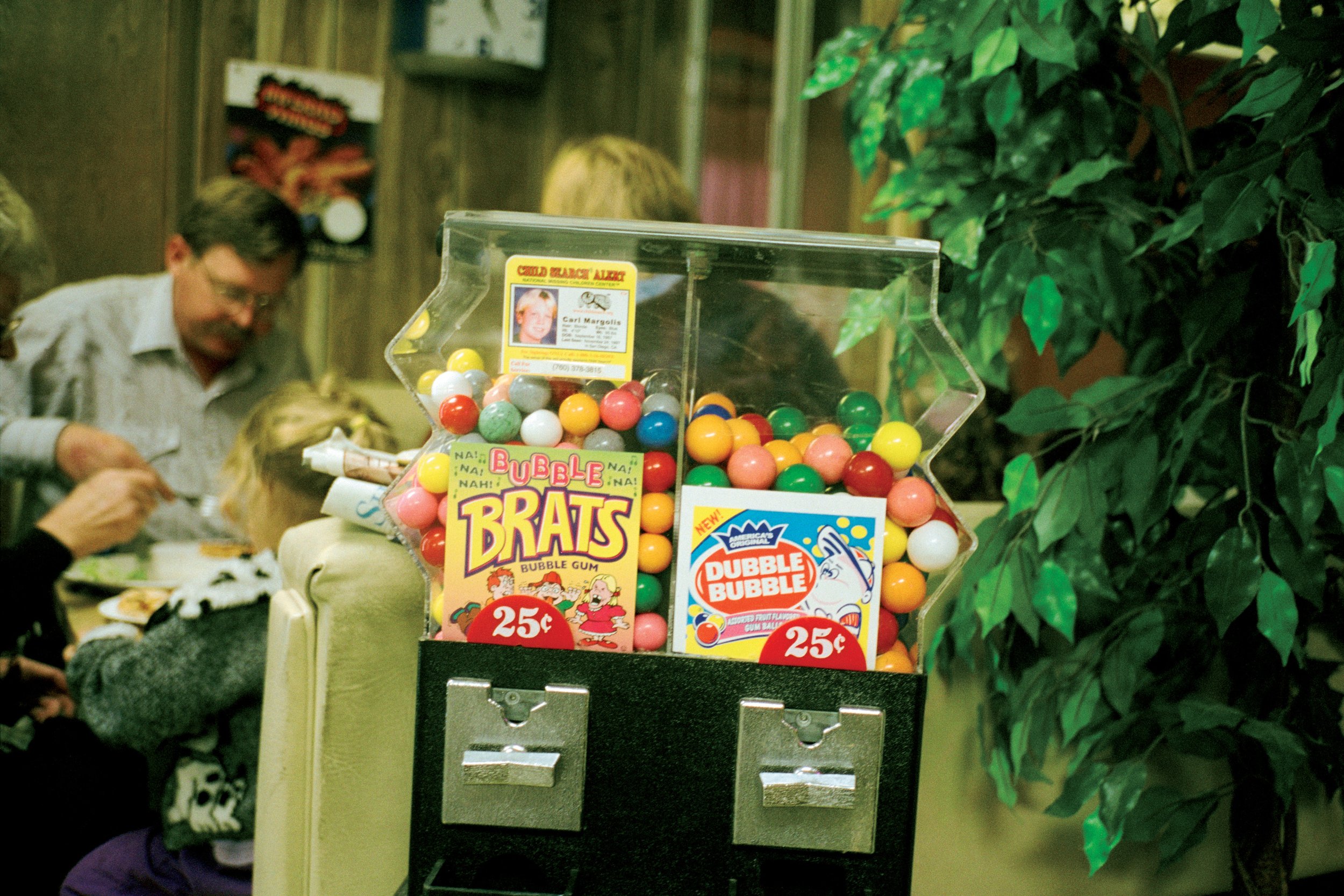
Part of the attraction to this approach is the freedom within it. Looking at photographs playfully rather than searching for fixed answers or prescribed meaning. Moving away from the pressure of needing to immediately explain what a work is “about”, and allowing interpretation to remain open, subjective and personal.
There is no single correct reading. The viewer completes part of the work themselves.
It was often the same experience looking through photography books as a teenager. Sitting for hours with books by photographers like Winogrand or Friedlander, imagining what had led to a particular moment, how those elements had briefly come together in front of the camera, including the photographer’s own presence within the scene. Then imagining beyond the frame entirely, where people went afterwards, how the atmosphere shifted once the photograph disappeared back into ordinary life.
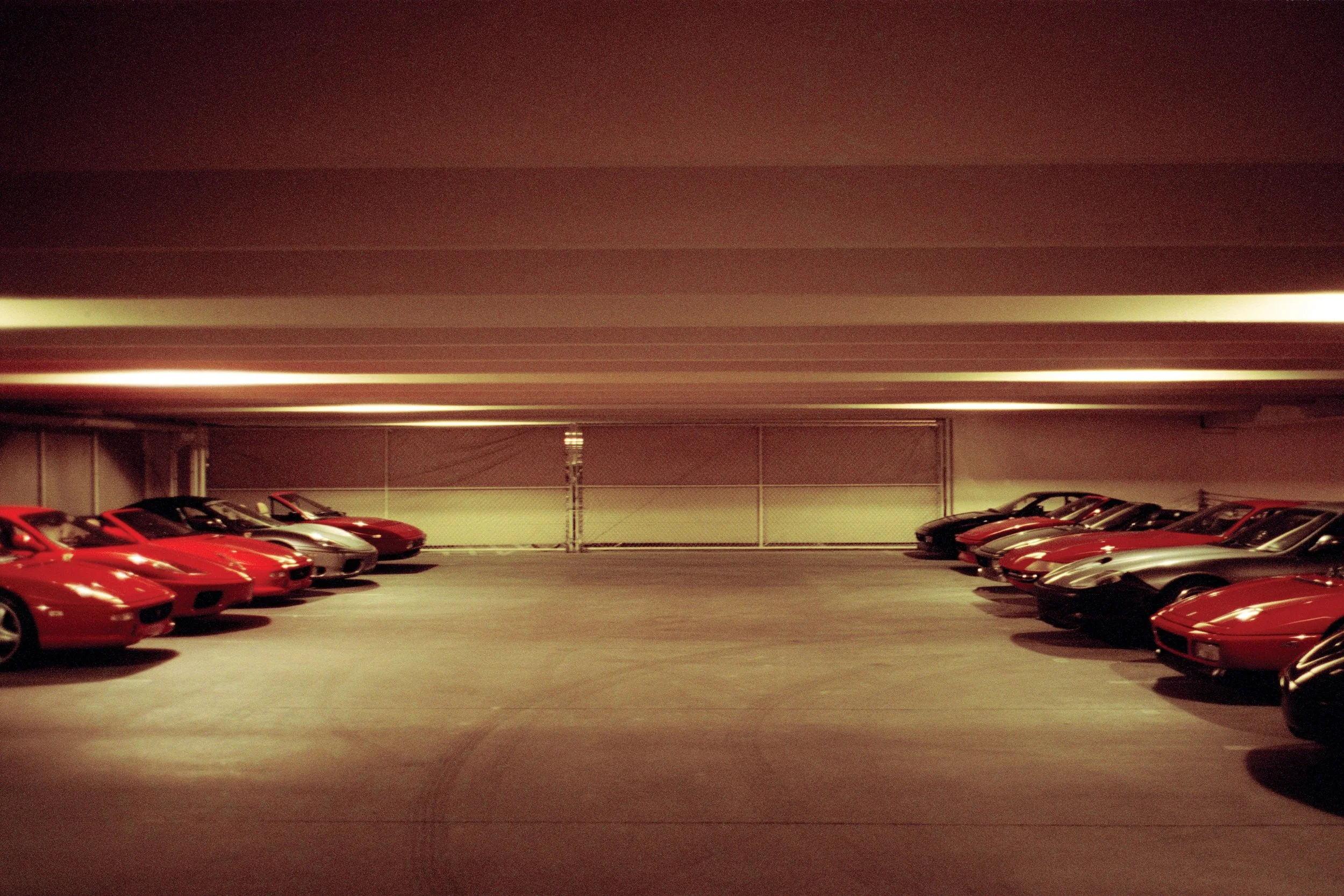
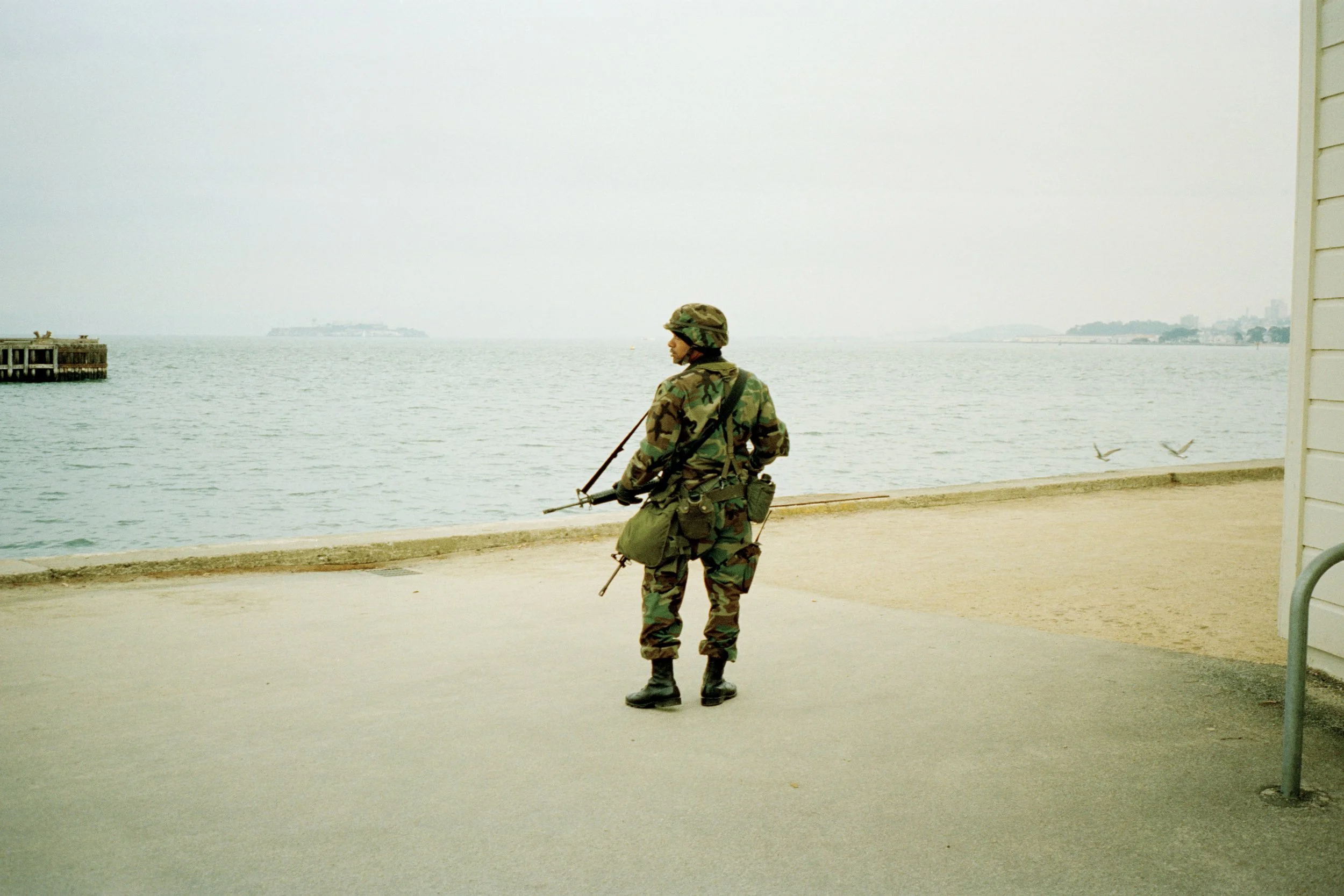
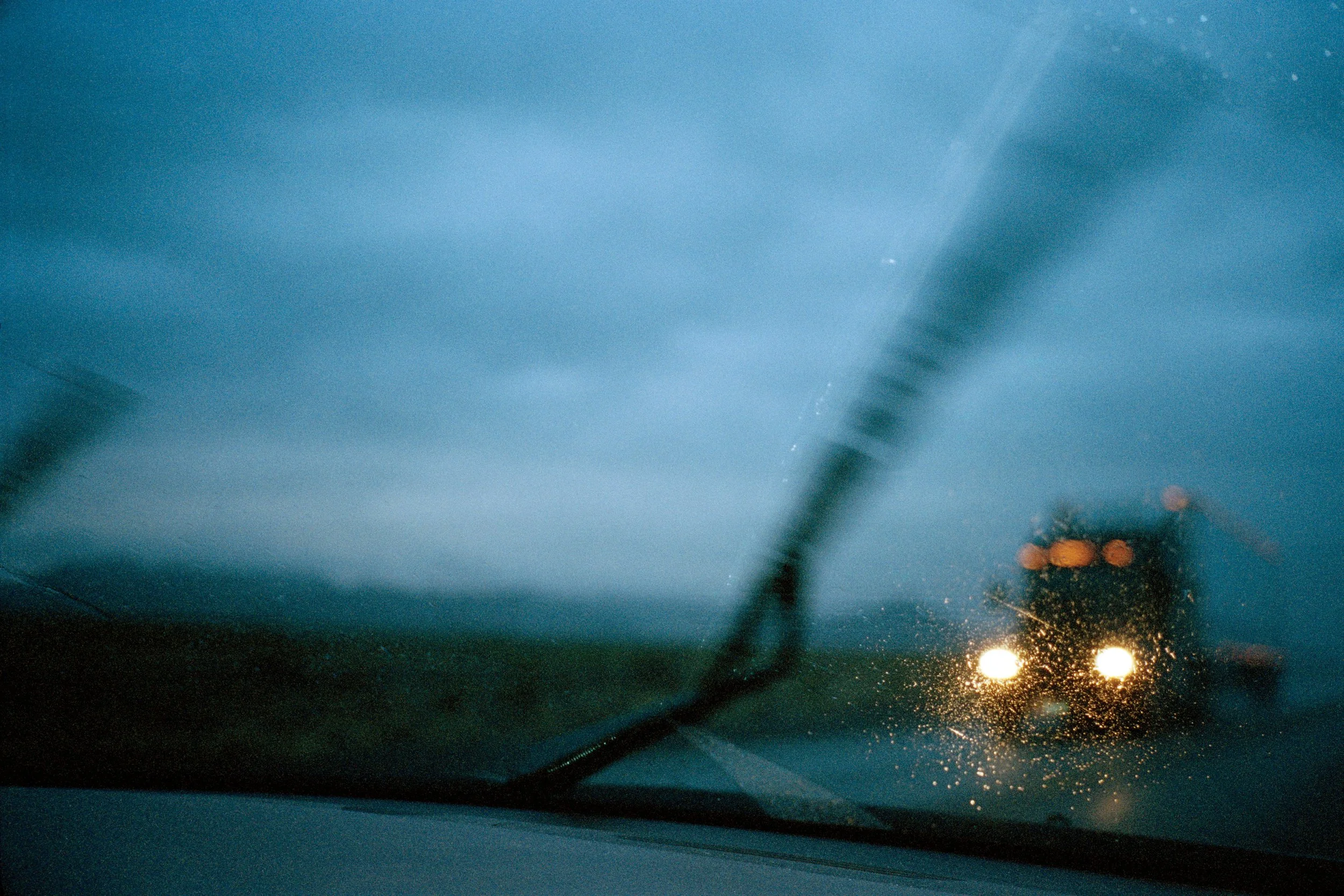
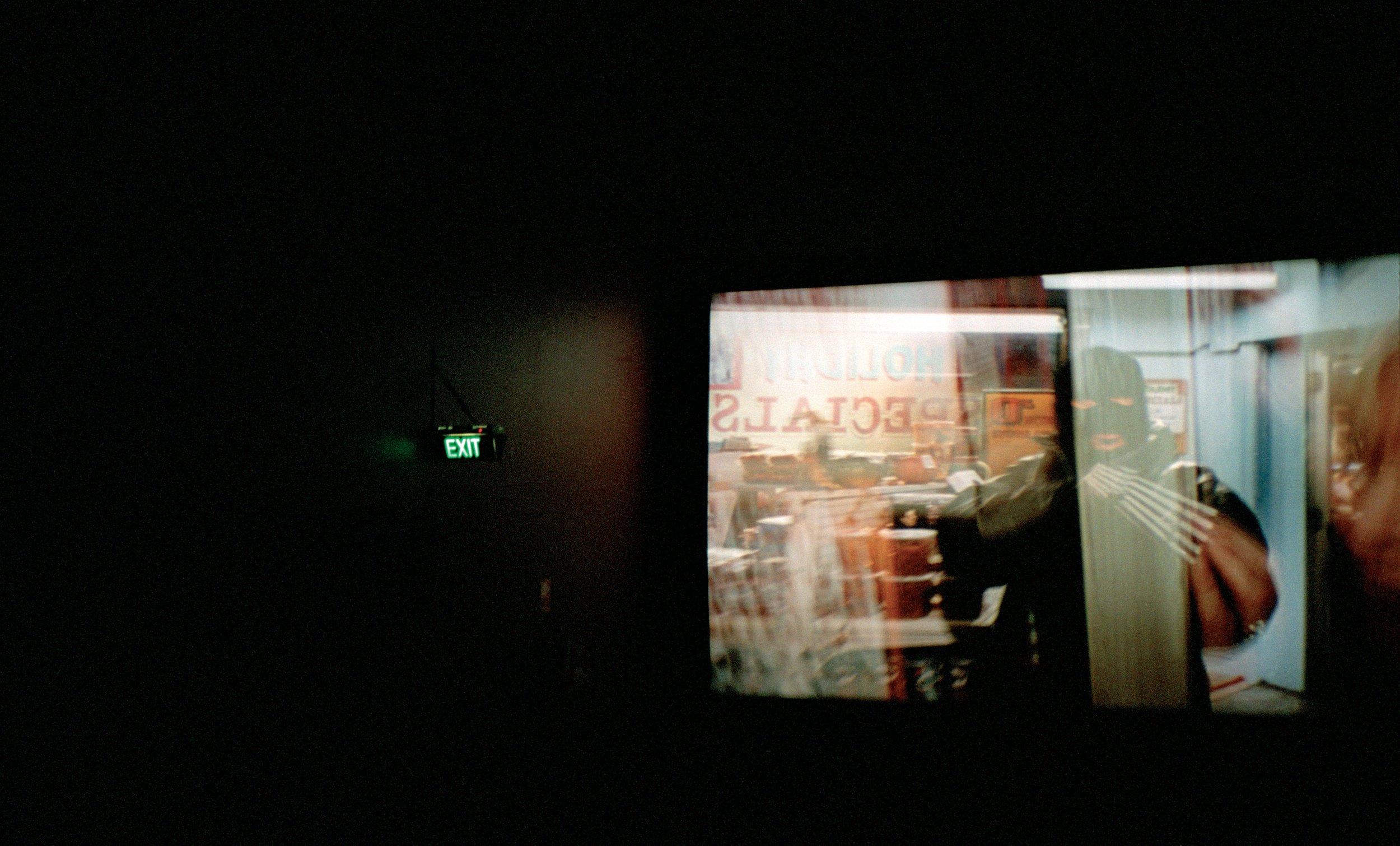
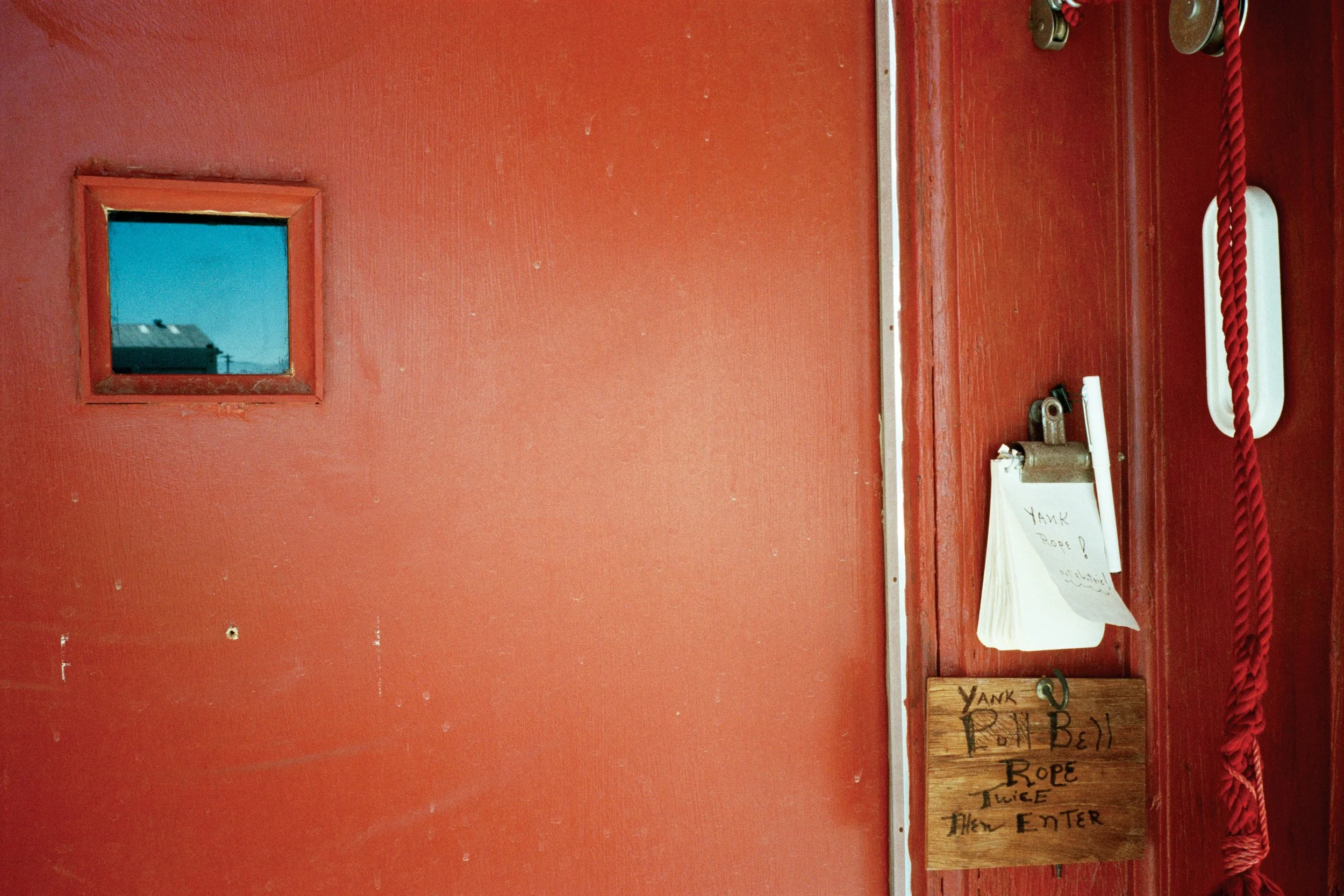
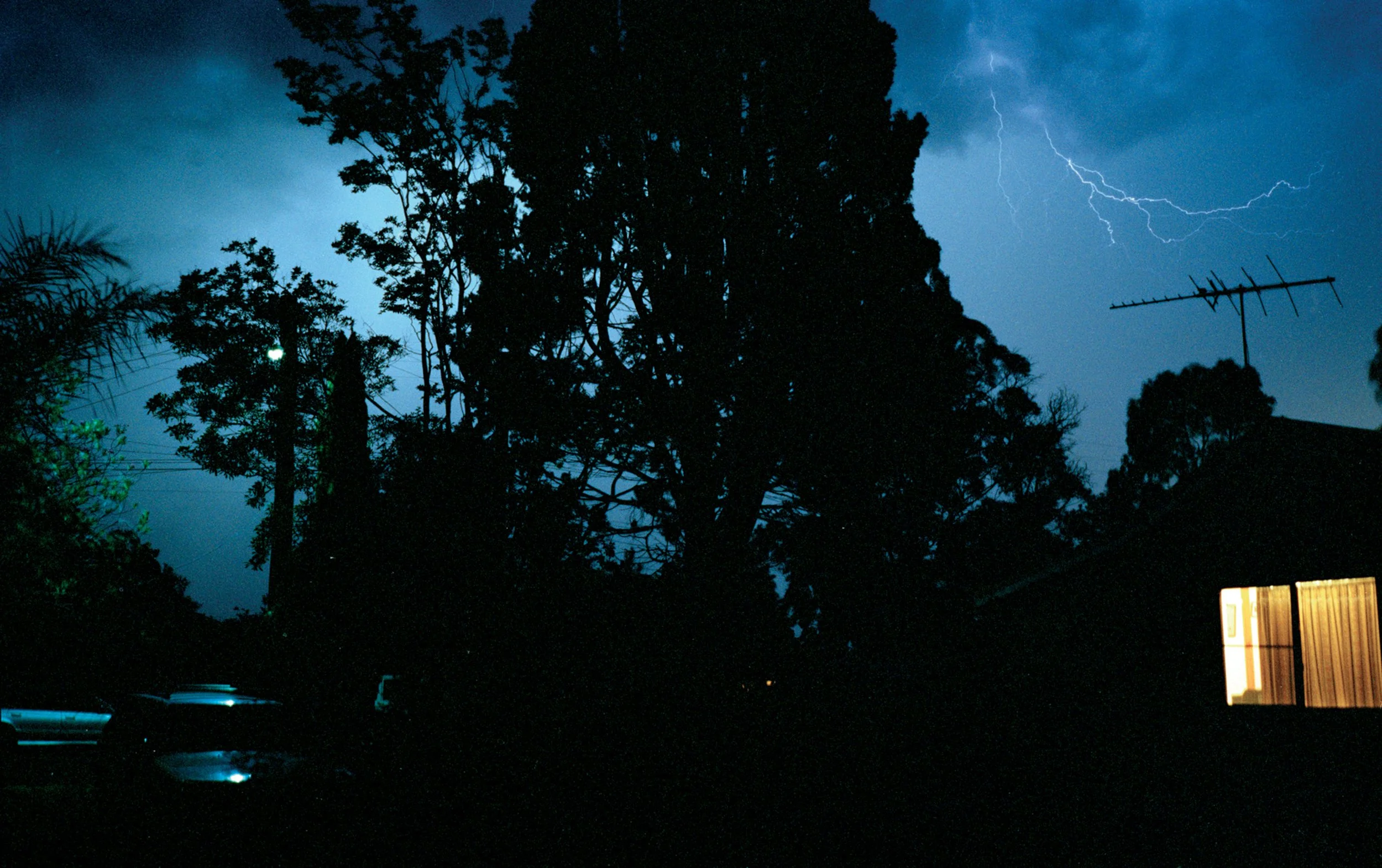
The photographs themselves never fully explained anything. That uncertainty was part of the fascination. The books became less like documents and more like fragments from larger imagined worlds.
That idea continues to sit underneath the “paper movies” approach running through the four books.